

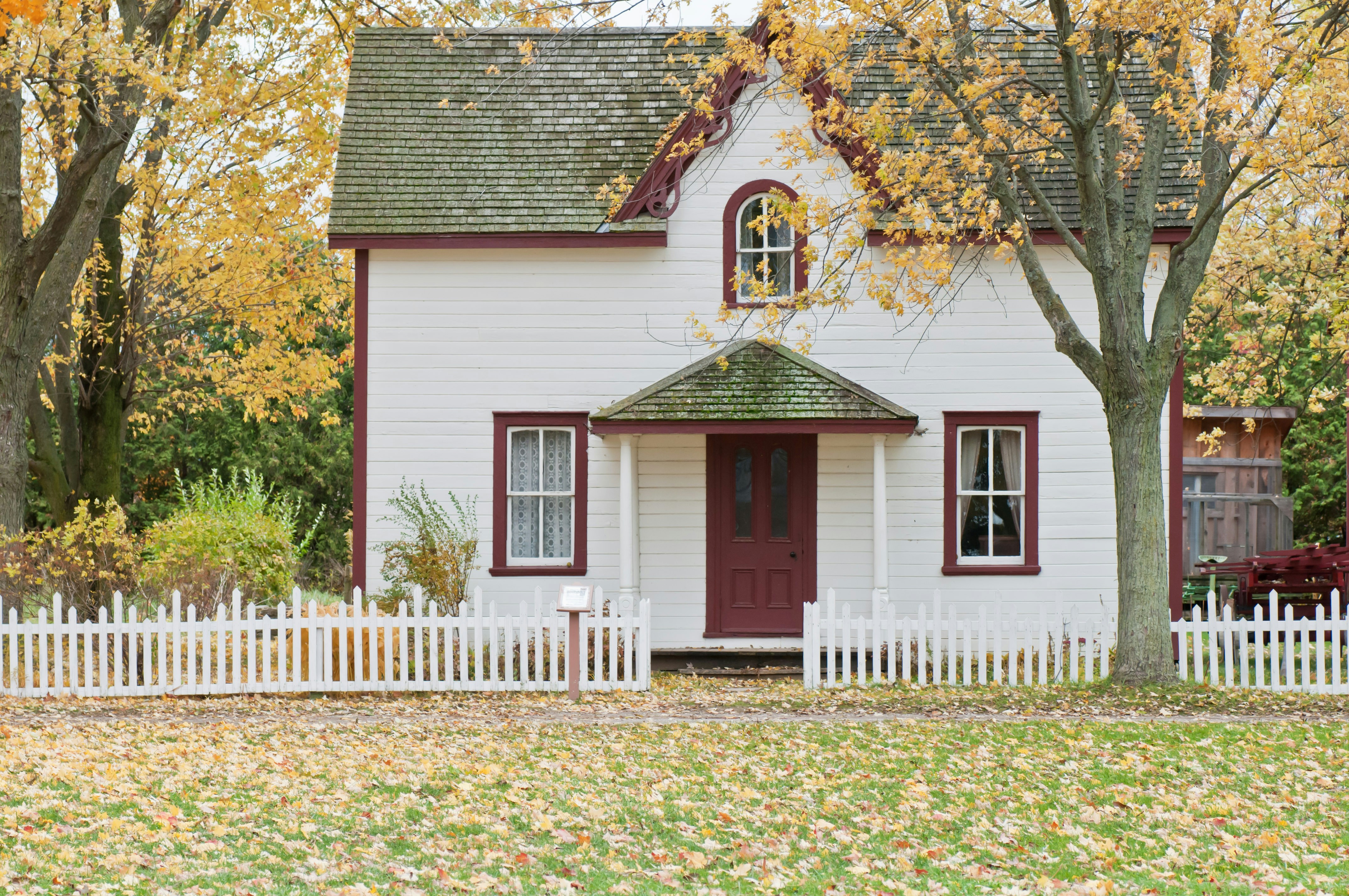
Have you ever stepped into a house and immediately felt at home? It's more than just the layout or the furniture. It's about the sense of belonging—that instant connection that quietly tells you, this is the place.
For homebuyers, that feeling can be the deciding factor between a “maybe” and a confident “yes.” But what exactly creates that emotional pull? While every buyer is different, there are a few universal elements that consistently turn a house into something more meaningful.
1. Warmth and Atmosphere
First impressions matter. A home that feels warm, inviting, and well-cared for sets the tone right away. Natural light, soft colors, and a comfortable temperature all contribute to an environment where buyers can relax instead of evaluate. Subtle details—like fresh scents, tidy spaces, and gentle lighting—help create a welcoming atmosphere that feels lived-in but not cluttered.
2. A Sense of Possibility
Buyers aren’t just looking at what is—they’re imagining what could be. A house feels like home when people can easily picture their own lives unfolding there. That might mean envisioning family dinners in the dining room, quiet mornings with coffee on the porch, or kids playing in the backyard. Neutral, flexible spaces often help buyers mentally “move in” more easily.
3. Emotional Connection
Sometimes, the feeling is intangible. A cozy reading nook, a charming fireplace, or even the way sunlight hits the kitchen in the afternoon can spark an emotional response. These moments create a connection that goes beyond logic. Buyers may not always be able to explain why a home feels right—but they know when it does.
4. Functionality Meets Comfort
While emotions play a big role, practical features still matter. A home that flows well, offers enough storage, and suits a buyer’s lifestyle will feel more comfortable long-term. When functionality aligns with personal needs, it reinforces that sense of “this works for me.”
5. Personal Touch Without Overpowering
Interestingly, the most appealing homes strike a balance between personality and neutrality. Too much personalization can make it hard for buyers to see themselves in the space, while too little can feel cold. Thoughtful staging—like tasteful décor, simple artwork, and a few cozy accents—can make a home feel inviting without being distracting.
6. A Feeling of Care and Maintenance
A well-maintained home sends a powerful message: this place has been loved. Buyers notice the small things—clean corners, working fixtures, and attention to detail. When a home feels cared for, it builds trust and makes it easier for buyers to imagine a future there.
7. Neighborhood and Surroundings
The feeling of “home” doesn’t stop at the front door. Quiet streets, friendly neighbors, nearby parks, and a sense of community all contribute to the overall experience. Buyers are not just choosing a house—they’re choosing a lifestyle.
Final Thoughts
At its core, what makes a house feel like home is emotional resonance. It’s the combination of comfort, possibility, and connection. While square footage and features may get buyers through the door, it’s that feeling—the one you can’t quite put into words—that ultimately makes them want to stay.
Because in the end, people don’t just buy houses. They buy the feeling of coming home.